


Composite Materials: Shaping the Future of Engineering
The world of engineering is constantly evolving to push boundaries and innovate with more durable, lightweight and customisable materials. Composite materials, one of the key players in this evolution, represent engineering marvels created by combining materials with different properties. Attracting attention with its lightness, gaining strength with its durability and offering a wide range of applications, composite materials play an important role in many sectors such as aerospace, automotive, construction and sports equipment. In this article, we will discuss the structure, types and advantages of composite materials.
Basic Structure of Composite Materials
The evolution of the engineering world is shaped by the various advantages offered by composite materials. Composite materials are usually formed by the combination of two basic components: Matrix and Reinforcement Materials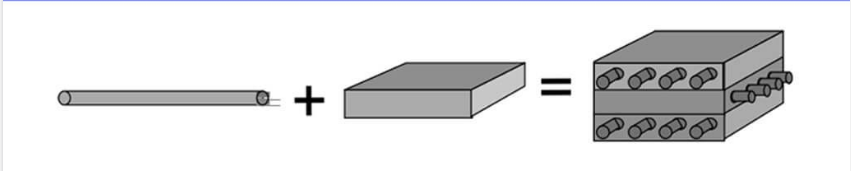
Matrices:
The matrix is the basic building block of the composite material. The role of the matrix material is to hold the reinforcement material together to increase strength, absorb shocks and optimise the overall performance of the material. There are several different types of matrix materials. These are- Polymer Matrix Composite
- Metal Matrix Composite
- Ceramic Matrix Composites
Fibres:
Fibres are reinforcing material used to increase the durability and strength of the composite material. These fibres are usually in the form of long, thin strands which, when integrated into the matrix, strengthen the overall properties of the material. Glass fibre and carbon fibre are the two main fibres commonly used in engineering applications.Fibre Types:
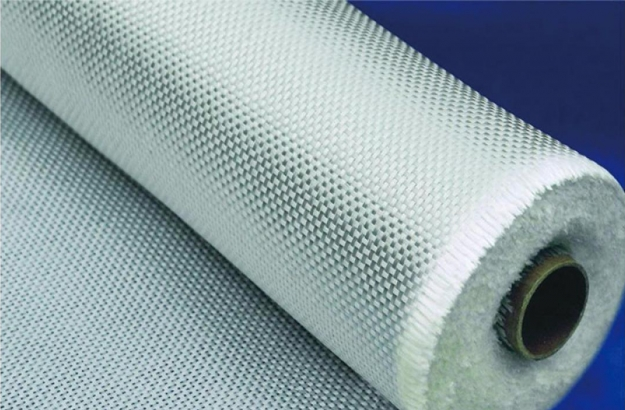
1.Cam Fiberler:
- E-glass: Used for electrical insulation.
- S-glass: Specially developed for higher strength and durability.
- Cem-fil (Glass Matrix Filament): It has high thermal resistance and low density.
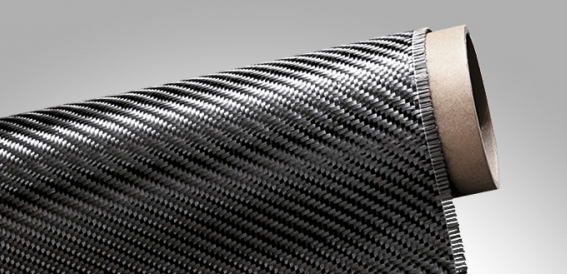
2. Carbon Fibres:
- Torayca: Known for its combination of high strength and light weight.
- PAN (Polyacrylonitrile) Carbon Fibre: Widely used in high strength industrial applications.
- Pitch Carbon Fibre: It has high thermal conductivity properties.
Fibre selection varies depending on the specific needs and application area of the composite material to be used. Fibre selection based on strength, light weight, thermal conductivity and other properties is a critical factor in determining the final performance of the composite material.
Advantages
Composite materials are considered a milestone in the engineering world because they have found a wide range of applications in industries, offering a number of advantages.- Light weight; composite materials are generally lighter and provide convenience in transport and assembly processes.
- High strength and durability, allowing the design of products that are longer lasting and more resistant to abrasion compared to traditional materials.
- Customisability; composite materials offer designers a wide freedom of creativity thanks to their ability to offer tailored solutions for different projects and industries.
- Environmental sustainability; their lower weight and longer lifetime can reduce energy consumption and increase suitability for recycling processes. In addition, composites with thermoplastic matrices contribute to sustainability due to their thermoplastic recyclability.
