


Solving Big Problems with Small Elements: Introduction to Finite Element Analysis
In this article, we will introduce “finite element analysis”, an exciting topic in the engineering world, and try to understand the basic concepts of this subject. Step by step, we will solve this concept, which may seem like a puzzle at the moment. If you are ready, let’s get started!
Introduction Big Picture Overview
Finite element analysis is a powerful mathematical method used to solve complex engineering problems. As the name suggests, this type of analysis divides the system into a finite number of parts (elements) and tries to understand the behaviour of each element. This allows us to break large systems into smaller, manageable parts and analyse each part individually.Basic Concepts: What is a Finite Element?
A finite element is a mathematical expression used in engineering analyses. When we break our system into small parts, each of these parts represents a finite element. Imagine that instead of a large cake, you are analysing a small slice of cake, slice by slice. Each slice helps you understand the overall behaviour of the cake.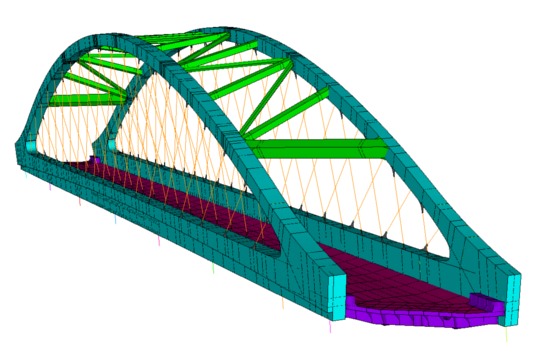
Technical Details Mathematical Background
Now, let’s get a little technical. Finite element analysis is usually expressed in terms of differential equations. When we divide our system into small parts, we solve these equations on each part. This allows us to understand the behaviour of each element and simulate the overall system behaviour.Applications of Interest: Where is it Used?
Finite element analysis is used in civil engineering, aerospace, automotive, medicine and many other fields. For example, in a bridge design, we can assess the overall strength of the bridge by analysing the forces and stresses on each bridge element.Tips for Getting Started: Where to Start?
If you are just stepping into this exciting world, strengthening your maths and physics basics can be a good start. However, practice is also very important. Simulation software such as ANSYS is a great tool for gaining experience in finite element analysis. This software allows you to solve real-world engineering problems in a virtual environment. Also, by practising programming languages, you can solve and interpret your analysis results more effectively. There are many ANSYS training resources available on the Internet; by using these resources, you can improve yourself and discover the potential of this powerful tool.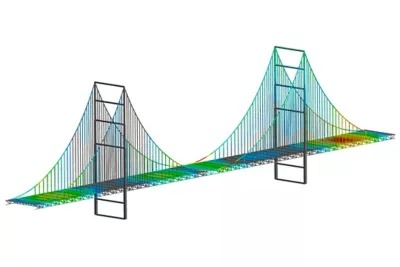
Conclusion The Beginning of the Journey
Finite element analysis provides us with a powerful tool for solving complex engineering problems. This article is a guide for your introduction to this exciting subject. Understanding the basic concepts, diving into the technical details and using this knowledge in applications can take you on a successful journey in this field.
Remember, every great discovery starts with small steps. Good luck!
